

『The principle of orifice flowmeter』Related information(clamp on meter|electromagnetic meter|venturi meterrotameter|orifice meter|ultrasonic flow meter|mass flow meter|coriolis mass flow meter|coriolis flow meter|magnetic flow meter|magmeter flow meter|magflow flow meter|mag meter flow meter|electromagnetic flow meter|vortex flow meter|turbine flow meter|thermal mass flow meter|thermal flow meter|rotameter flow meter)

1. Pipeline type online density meter
2. What is the principle of orifice flowmeter
3. Briefly describe the measurement principle of orifice flowmeter? Installation conditions? What media can be measured? The core points of orifice flowmeter can be summarized into three points: the measurement principle is based on fluid mechanics equations, the installation needs to meet the requirements of straight pipe section and sealing conditions, and the applicable type of medium covers gas/steam/liquid. 1. Measurement principle: When a fluid flows through an orifice plate in a pipeline, the cross-sectional contraction causes an increase in flow velocity and a decrease in static pressure, resulting in a pressure difference between the front and back. By using Bernoulli equation and continuity equation to calculate the relationship between pressure difference and flow rate, the fluid volume or mass flow rate is ultimately derived. 2. Installation conditions: ① Straight pipe section requirements: upstream requires a straight pipe section with a length of 10-50 times the pipe diameter, and downstream requires a length of 5-10 times the pipe diameter to ensure stable flow velocity distribution. ② Pipeline status: The inner wall should be smooth and clean to avoid sudden changes in flow velocity caused by sediment. ③ Installation direction: Horizontal installation is preferred. If installed vertically, the fluid should flow from bottom to top to prevent the accumulation of impurities. ④ Sealing: The flange connection must be rigorous and leak free, otherwise the pressure difference measurement value will be distorted. 3. Applicable measuring medium gases: such as natural gas, compressed air, and industrial waste gas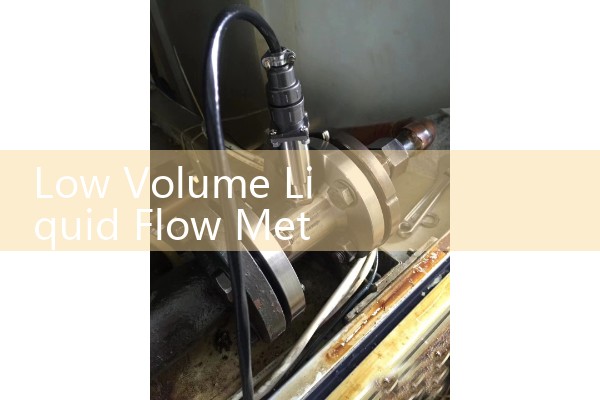
4.1 minutes to understand the difference between balance flowmeter and orifice flowmeter
The core difference between balance flowmeter and orifice flowmeter lies in their working principle, structural composition, performance characteristics, and application scenarios, as follows:
1. Working principle Balance flowmeter: Based on the energy balance positive roll principle design, it belongs to a new type of differential pressure flow instrument.
. Through unique Reynolds number design, increased thickness of throttling components, and high-precision machining, the fluid flow performance approaches that of a Venturi tube, resulting in a concise structure and significantly improved performance. Orifice flowmeter: It calculates the flow rate by measuring the pressure difference generated when the fluid flows through the orifice plate. The pressure difference is proportional to the flow rate and is a typical conventional differential pressure flowmeter.2. Structure and Composition Balance flowmeter: It consists of a pipeline and a flowmeter body, and contains a porous disk throttling rectifier (balance flow sensor) inside.
. The size and distribution of the holes on the disc are customized based on special formulas and test data, known as function holes, to ensure a stable flow field when the fluid passes through. Orifice flowmeter: It consists of a circular plate and a central hole. The circular plate is installed at the center of th Hot News
 Related AD