

『Principle of nozzle flowmeter』Related information(clamp on meter|electromagnetic meter|venturi meterrotameter|orifice meter|ultrasonic flow meter|mass flow meter|coriolis mass flow meter|coriolis flow meter|magnetic flow meter|magmeter flow meter|magflow flow meter|mag meter flow meter|electromagnetic flow meter|vortex flow meter|turbine flow meter|thermal mass flow meter|thermal flow meter|rotameter flow meter)

1. Will the flowmeter record the flow rate value after the nozzle is blocked?
Whether the flowmeter records the flow rate value after the nozzle is blocked depends entirely on the installation position and detection principle of the flowmeter, and there is no unified positive or negative result.
1. Installation of flowmeter upstream of nozzle 1 This type of flowmeter monitors the total fluid flow in the upstream pipeline. As long as the upstream fluid supply equipment (such as pumps and compressors) is still running, there will be fluid flow in the pipeline. The flowmeter will collect and output the flow rate value of the bridge leg normally. Only the reading at this time represents the fluid throughput of the upstream pipeline, not the actual effective flow rate through the nozzle. The flowmeter will only stop recording the flow rate when the upstream pipeline is completely pressurized and the fluid is completely cut off due to nozzle blockage (such as pump shutdown or upstream main valve closure).
2. When the flowmeter is installed downstream of or integrated with the nozzle.
1 A downstream flow meter that directly detects the flow rate of the nozzles sensitive lift outlet, with the fluid passing through the nozzle as the detection object. After the nozzle is blocked, almost no fluid flows through the flow meter, and no effective flow record is generated. It usually displays 0 or retains the last reading before blockage. 2. The flow sensor integrated inside the nozzle directly binds its detection logic to the fluid passing status of the nozzle. If there is no fluid flowing through the sensor after the nozzle is blocked, it will also output the effective flow value without laughing.2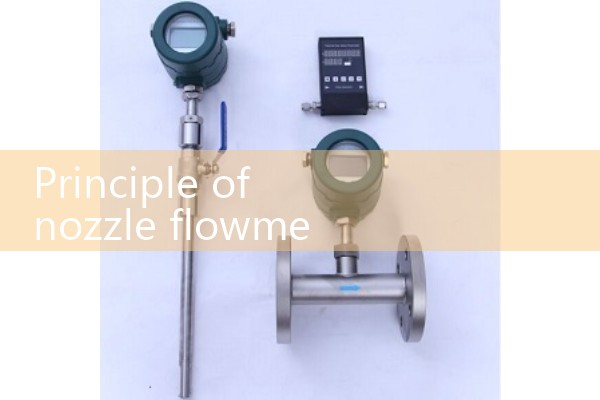
『SILVER Official Website SERVICE』
 Hot News
 Related AD