

『Cox Turbine Flow Meter: Heavy Duty Industrial Precision Rotor Sensors』Related information(clamp on meter|electromagnetic meter|venturi meterrotameter|orifice meter|ultrasonic flow meter|mass flow meter|coriolis mass flow meter|coriolis flow meter|magnetic flow meter|magmeter flow meter|magflow flow meter|mag meter flow meter|electromagnetic flow meter|vortex flow meter|turbine flow meter|thermal mass flow meter|thermal flow meter|rotameter flow meter)
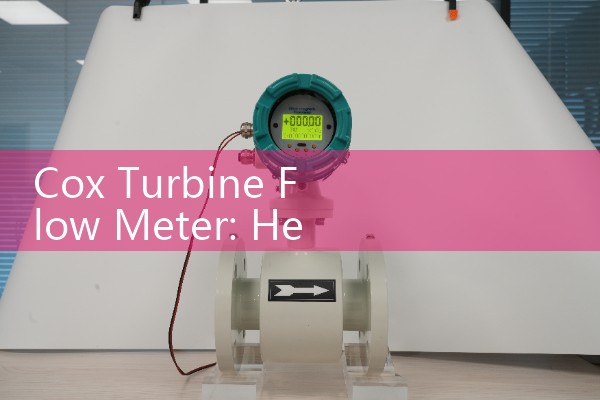
Cox Turbine Flow Meter: Heavy Duty Industrial Precision Rotor Sensors
Quick Answer: A Cox turbine flow meter is a heavy duty rotor sensor for fuels, oils, hydraulic fluids, water and chemicals. Silver Automation Instruments supplies these meters with pulse output, 4-20 mA HART and ATEX options for line sizes from DN6 to DN300. Send your pipe size, flow range, viscosity and pressure to get a firm quote from our engineers.
What Makes These Rotor Sensors Heavy Duty
Heavy duty turbine meters run on tungsten carbide or ceramic bearings. The housing is 316 stainless steel or duplex steel. This matters on offshore platforms and in refineries. Salt, sand and vibration shorten the life of normal meters.
Here is the thing. The rotor design looks simple but bearing selection decides the maintenance interval. We saw a fuel oil skid in Malaysia with a 1.2 percent reading error. The cause was a control valve only four pipe diameters upstream. We moved the meter to ten pipe diameters. Error dropped to 0.3 percent.
Key Specifications and Outputs
Our heavy duty rotor sensors cover DN6 up to DN300. Flow range starts at 0.02 L/min for low viscosity liquids and goes to 15 000 L/min for large water lines. Standard accuracy is 0.5 percent of reading. Repeatability is 0.1 percent. High precision versions reach 0.1 percent after wet calibration.
Pressure ratings go up to 420 bar for hydraulic test stands. Temperature range is -40 to 150 °C with PT100 input. Outputs include raw magnetic pickup, amplified pulse, 4-20 mA HART and Modbus RTU. Wetted parts include 316 stainless steel, duplex 2205 and Hastelloy C. Bearing options include tungsten carbide, ceramic and PEEK.
Most engineers start with flow range and viscosity. Those two parameters decide the meter size faster than any other factor. For a DN50 diesel line at 200 L/min we recommend a 316 stainless steel rotor sensor with tungsten carbide bearings and a Silver Instruments SI-TF50 transmitter. This assembly covers 20 to 400 L/min with 0.5 percent accuracy.
Common Industrial Applications
Oil and gas terminals use these meters for diesel, jet fuel and crude oil blending. Water and wastewater plants use them for clean water and reuse lines. Chemical plants batch solvents and additives. Marine operators monitor fuel consumption.
Last year a paint manufacturer in Vietnam needed a meter for solvent batch dosing. Line size was DN40. Flow varied from 8 to 40 L/min. Viscosity was 2.5 cP. We supplied a 316 SS body wit
Sizing and Installation Checkpoints
Viscosity changes the linear range of a turbine meter. Diesel at 40 °C can start linear flow at 0.5 m/s. Heavy fuel oil at 150 cP needs a higher minimum flow. Always provide viscosity at operating temperature.
Use 10 pipe diameters upstream and 5 downstream. A Y type strainer of 100 mesh protects the rotor from weld slag and scale. The rotor sensor does not correct density. If process temperature shifts more than 10 °C, use a 4-20 mA HART transmitter with temperature correction.
In practice we see many customers wire the pulse output into a PLC and then wonder why the totalizer drifts. That drift comes from temperature and density changes. A flow computer solves this for billing and inventory systems.
Silver Automation Instruments Supply and Support
Silver Automation Instruments ships heavy duty turbine flow meters to Southeast Asia, Oceania, Latin America, Africa and the Middle East. We wet calibrate every meter before dispatch. Calibration certificates are traceable to ISO 17025. Standard models ship in 7 to 15 days. Custom flanges and special wetted parts take 3 to 4 weeks.
Contact our engineers at Tel: +86-135-1213-1526, Whatsapp: 86-135-12131526 or WeChat: +86 13512131526. You can also visit flow-meter.com.au to see the full heavy duty rotor sensor range.
Send us your pipe size (DN), flow range, operating pressure (bar), temperature (°C) and fluid type. We will return a price and data sheet within one working day.
FAQ
What flow range does a Cox turbine flow meter cover for diesel?
From 0.5 L/min on small DN6 meters up to 15 000 L/min on DN300 lines. Exact range depends on pipe size and viscosity.
Can I use a turbine flow meter for viscous oil?
Turbine meters work best below 100 cP. Above that you may need a larger meter or a positive displacement flow meter.
What output signal should I choose?
Use pulse output for batching and totalizing. Use 4-20 mA HART for PLC or DCS monitoring. Modbus RTU fits digital networks.
Do I need a flow straightener?
Not always. A straight run of 10 pipe diameters upstream and 5 downstream often avoids the need for a flow straightener.
What is the delivery time for a heavy duty rotor sensor?
Standard meters leave our warehouse in 7 to 15 days. Custom materials and flanges need 3 to 4 weeks.
 Hot News
 Related AD