

『Wireless remote transmission electromagnetic flowmeter』Related information(clamp on meter|electromagnetic meter|venturi meterrotameter|orifice meter|ultrasonic flow meter|mass flow meter|coriolis mass flow meter|coriolis flow meter|magnetic flow meter|magmeter flow meter|magflow flow meter|mag meter flow meter|electromagnetic flow meter|vortex flow meter|turbine flow meter|thermal mass flow meter|thermal flow meter|rotameter flow meter)

1. Main technical parameters of electromagnetic water meter
nominal diameter: DN25-DN800 nominal pressure: 0.6~4.0Mpa (special pressure can be customized) accuracy: ± 0.5% measurement range: 0.01~12m/s measurement medium (conductivity):>20 μ s/cm medium temperature: -10 ℃~100 ℃ environmental temperature: -10 ℃~60 ℃ environmental humidity: ≤ 95% (relative humidity) power supply method: 3.6V/DC built-in lithium battery power supply, continuous working time greater than 6 years electrode material: 316L stainless steel HC、HB、 Titanium, tantalum, platinum/iridium alloy lining materials: chloroprene rubber, polyurethane rubber PTFE, F4
6, PFA connection method: flange type, plug-in structure form: integral type, split type protection level: IP68 display mode: LCD large screen LCD display instantaneous flow rate, forward/reverse cumulative total amount, and alarm prompt output signal: pulse output 0.0001-10m/p can be set pulse width 20ms (passive optocoupler output) communication method: GSM/GPRS/CDMA wireless data remote transmission (SMS data packet) GSM/GPRS/CDMA remote monitoring management software system is used in conjunction with Anxin Zizhou brand electromagnetic water meter with remote transmission function (see system topology diagram). This system can not only receive and store flow meter data, but also achieve... The statistics and analysis of flow data enable users to conveniently and timely monitor the water usage situation at various flow measurement points within the area.
2. How to install an electromagnetic open channel flowmeter? The installation of electromagnetic open channel flowmeter should be combined with its working principle and structural characteristics to ensure measuremen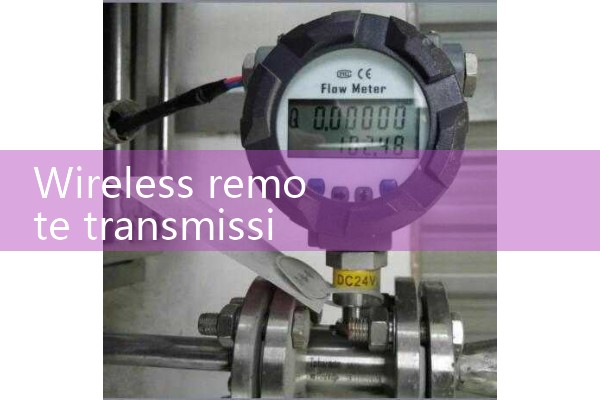
1. Before installation, prepare to confirm that the installation position is suitable for flow measurement in rectangular and trapezoidal open channels and culverts. It is necessary to choose a straight channel section with smooth water flow, no eddies, and severe fluctuations. Avoid interference sources such as bends, gates, pump stations, etc., and ensure that the length of the upstream and downstream straight channel sections meets the requirements (usually upstream ≥ 5 times the channel width, downstream ≥ 3 times the channel width). Ensure that the installation location is convenient for daily maintenance and repair. Check the integrity of the equipment and verify whether the components, including flow display, flow meter, liquid level meter, sensors, connecting cables, and installation accessories, are complete. Check if the sensor excitation system, electrodes, and processing chips are intact to avoid transportation damage. Confirm the power supply mode (220VAC or 9-36VDC) through environmental adaptability assessment, and arrange the power supply line in advance. If wireless remote transmission function is required, check the on-site GSM/GPRS signal strength and install signal enhancement equipment if necessary. Figure 1: Composition Structure of Electromagnetic Open Channel Flow Meter
2. Installation Steps Sensor Installation and Fixation Method: Select a bracket or flange for fixation according to the channel type, ensuring that the sensor is perpendicular to the direction of water flow and the electrode axis is parallel to the horizontal plane. Depth requirement: The sensor should be completely immers
 Hot News
 Related AD