

『Tianjin electromagnetic flowmeter』Related information(clamp on meter|electromagnetic meter|venturi meterrotameter|orifice meter|ultrasonic flow meter|mass flow meter|coriolis mass flow meter|coriolis flow meter|magnetic flow meter|magmeter flow meter|magflow flow meter|mag meter flow meter|electromagnetic flow meter|vortex flow meter|turbine flow meter|thermal mass flow meter|thermal flow meter|rotameter flow meter)
How to choose the material of electromagnetic flowmeter?
Tianjin Xuner Instrument answers for you: As a commonly used flow measurement instrument, the selection of material for electromagnetic flowmeter is also an important factor. Due to the fact that only the electrode and the interior of the measuring tube are in contact with the medium in the electromagnetic flowmeter, it is necessary to select the correct electrode and lining material according to the characteristics of different media.
1. Selection of electrode materials 1 Stainless steel (0Cr18Ni12Mo2Ti). Suitable for nitric acid, sulfuric acid with less than 5% at room temperature, boiling phosphoric acid, formic acid, alkaline solutions, sulfite under certain pressure, seawater, acetic acid. 2. Hastelloy B and Hastelloy C. Can be used for seawater and saltwater. 3. Titanium. Suitable for seawater, various chlorides and hypochlorous hydrochloric acid, oxidizing acids (including fuming nitric acid), organic acids, bases, etc. 4. Tantalum. Other chemical media, including boiling point hydrochloric acid, nitric acid, and sulfuric acid below 175 ℃, can be used except for hydrofluoric acid, fuming sulfuric acid, and alkali. 5. Platinum. Can be used for various acids, bases, and salts, but does not include aqua regia.
2. Selection of lining material 1 Rubber. It has excellent elasticity, high tensile strength, good wear resistance, and resistance to general weak acids and alkalis. It can be used to measure water, sewage, mud, and slurry. 2. Polyamide. Coal slurry, mud and slurry with excellent wear resistance, poor acid and alkali resistance, and the ability to measure neutral and strong wear. 3. Polytetrafluoroethylene. Boiling resistant hydr
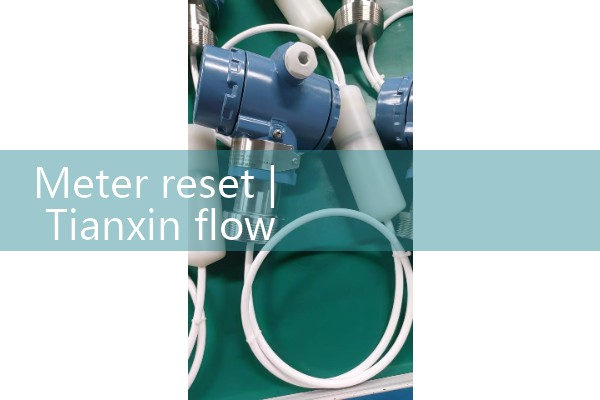
2. How to adjust the electromagnetic flowmeter?
The adjustment method of electromagnetic flowmeter is as follows
1. Firstly, you need to enter the password to enter the menu and find the caliber setting column.
. For example, if the caliber is set to DN50, to increase the flow rate, the caliber can be modified to DN65, which will naturally increase the flow rate. Secondly, the flow rate can also be changed by adjusting the K coefficient. Enter the password to enter the menu and find the K coefficient column. For example, if the K coefficient is 1.065, increasing the K coefficient value will correspondingly increase the flow rate. Attention: Non staff members should not adjust the flow parameters arbitrarily to avoid affecting the accurate measurement of the electromagnetic flowmeter. The debugging steps of electromagnetic flowmeter are as follows: Before debugging, the pipeline and flowmeter should be thoroughly inspected, and any debris in the pipeline should be cleaned. For oily medium pipelines, drying treatment is not required. Check the electrical circuit, first check whether the grounding is reliable, and then perform other circuit tests to avoid capacitive effects of the circuit or damage to the instrument caused by the power supply2. Water commissioning:
 Hot Blog
 Related AD