

 Current position > Product detail
『How to Read a Oxygen Flow Meter: Medical Visual Scale Center-Ball Alignment Rules』Related information(clamp on meter|electromagnetic meter|venturi meterrotameter|orifice meter|ultrasonic flow meter|mass flow meter|coriolis mass flow meter|coriolis flow meter|magnetic flow meter|magmeter flow meter|magflow flow meter|mag meter flow meter|electromagnetic flow meter|vortex flow meter|turbine flow meter|thermal mass flow meter|thermal flow meter|rotameter flow meter)
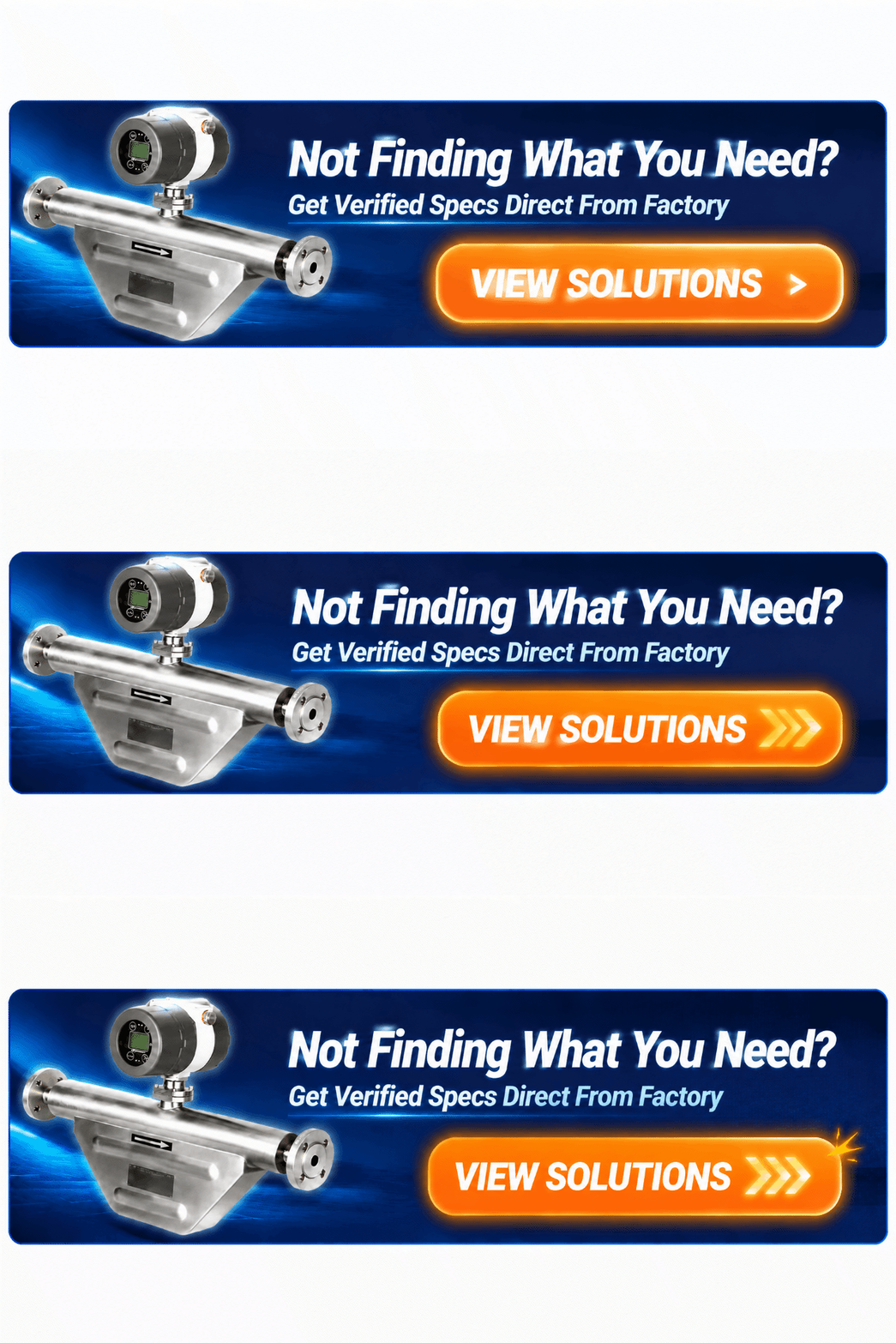
How to Read an Oxygen Flow Meter: Medical Visual Scale Center-Ball Alignment Rules
Quick Answer: Read the flow where the center of the ball aligns with the scale marking. For most oxygen flow meters, you look straight at the ball at eye level and match the middle of the ball to the number on the tube. If you read at the top or bottom of the ball, you will get a wrong reading by 0.5 to 1 L/min, which can affect patient oxygen delivery.
We often hear from biomedical engineers in Southeast Asia and the Middle East who ask us the same question. They call or message our WhatsApp because a nurse or technician read the flow meter incorrectly and the patient received the wrong oxygen dose. The error nearly always comes from reading the ball at the wrong position. Some read at the top edge, some at the bottom. The correct rule is the center-ball alignment method, which we will explain step by step.
What is a Medical Oxygen Flow Meter Visual Scale
The visual scale is the transparent tube, usually made of polycarbonate, marked with numbers in L/min. Most tubes have a tapered inner bore. The ball, typically a stainless steel or sapphire sphere, moves up and down inside this tube. As you increase the oxygen flow, the ball rises. The scale on the tube shows the flow rate. You will see common ranges like 0–5 L/min, 0–15 L/min, or 0–25 L/min, depending on the clinical need. In practice, Thorpe tube flow meters and bourdon gauge flow meters look different, but the center-ball rule applies to both.
Why the Center of the Ball Matters
The physics is simple. The ball floats at a height where the drag force, gravity, and buoyancy balance. The reading point is defined by the manufacturer as the center of the ball. If the specification says the accuracy is ±10% of full scale, that reference point is always the middle of the sphere. When a technician reads at the top edge, the error can be as high as 1 L/min on a 0–15 L/min meter. This might seem small, but for a neonate receiving 0.2 L/min via a low-flow meter, that error is huge. We have seen this on customer sites many times, especially in clinics in Nigeria and Indonesia where staff training varies.
Step-by-Step Center-Ball Alignment Rule
First, set the oxygen supply pressure to the meter. Most Thorpe tube flow meters need 50 psi inlet. If your inlet pressure is 40 psi, the ball will read lower than actual flow. We learned this from a distributor in the Philippines who spent two days troubleshooting a flow meter that “read wrong” until they measured the inlet pressure. Next, adjust the needle valve slowly. Wait 3 to 5 seconds for the ball to stabilize. Balls bounce if you open the valve too fast. Third, bring your eyes level with the ball. Parallax error can add another 0.5 L/min if you view from above or below. Fourth, locate the middle of the ball. Imagine a line splitting the sphere into two equal hemispheres. That imaginary line is your reference. Fifth, read the number where that center line touches the scale. Do not read the top or the bottom of the ball. That is the center-ball alignment rule in plain terms.
Some flow meters have two balls. A small black ball for low flow and a larger
Send us your gas type, flow range, and inlet pressure, and we will suggest a medical flow meter from our range. Email [email protected] or WhatsApp 86-135-12131526.
Common Mistakes We See on Service Calls
One mistake is cleaning the tube with alcohol or acetone. The polycarbonate tube gets micro-cracks, and the scale becomes unreadable. Use mild soap and water only. Another mistake is using a 0–15 L/min meter for a patient who needs 0.1 to 0.5 L/min. The low end of the scale is not accurate there. You need a 0–3 L/min pediatric flow meter. A third mistake is ignoring the back pressure. If you connect a humidifier or long tubing downstream, the back pressure changes the ball position. In that case, you must calibrate the flow meter with the exact downstream setup. We helped a hospital in Kenya fix this last year. They had a 20% oxygen delivery error because of a partially blocked humidifier bottle.
Silver Instruments Medical Flow Meter Options
We supply variable area flow meters for oxygen, medical air, and nitrous oxide. Our medical flow meters come with PVDF or 316L stainless steel wetted parts, depending on the gas. The scale is laser-etched on the tube. The standard connection is 1/4 inch FNPT or hose barb. Inlet pressure rating is up to 100 psi. Accuracy is ±4% of full scale, which is better than the common ±10% tube type. If you need a factory calibration certificate, we can provide it with data points at 20%, 50%, and 100% of full scale. For hospitals wanting backup meters, we can ship 5 to 10 units within one week to most destinations in Southeast Asia, the Middle East, and Africa. Tel: +86-135-1213-1526. WeChat: +86 13512131526.
FAQ
Q: Does the center-ball rule apply to all medical oxygen flow meters?
A: Yes, it applies to any variable area flow meter with a spherical float. For other float shapes, check the manufacturer’s mark. But 90% of medical oxygen meters use a ball float.
Q: What if my flow meter has a reading in L/min and also a percentage scale?
A: The percentage scale is for oxygen concentration in some dual-scale devices. Still read the flow rate at the center of the ball on the L/min scale. The percentage scale is independent.
Q: Can I use an industrial flow meter from Silver Instruments for medical oxygen?
A: Some models can be cleaned for oxygen service and tested for cleanliness. But we recommend ordering a medical-grade meter with proper certification. Tell us your application, and we will advise. Email [email protected].
Q: How often should we calibrate our oxygen flow meters?
A: Every 12 months is typical. If the tube gets stained or the ball sticks, calibrate immediately. We can provide calibration services or help you find a local lab.
Q: What is the price of a medical oxygen flow meter from Silver Instruments?
A: Price depends on range, connection, and material. Send us your flow range (L/min), gas type, and quantity, and we will quote within 24 hours.