
 Current position > News detail
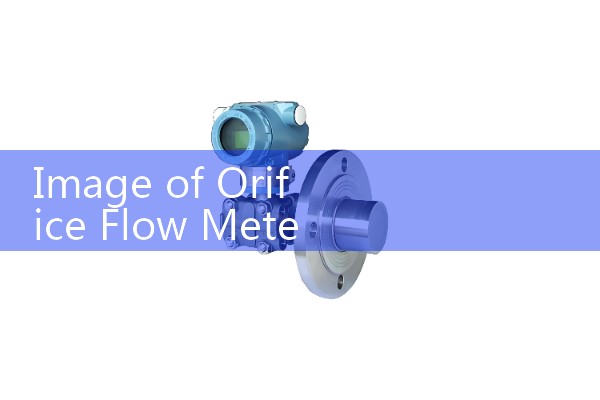
『Picture of orifice flowmeter』Related information(clamp on meter|electromagnetic meter|venturi meterrotameter|orifice meter|ultrasonic flow meter|mass flow meter|coriolis mass flow meter|coriolis flow meter|magnetic flow meter|magmeter flow meter|magflow flow meter|mag meter flow meter|electromagnetic flow meter|vortex flow meter|turbine flow meter|thermal mass flow meter|thermal flow meter|rotameter flow meter)

1. How to determine the position of the pressure tap for an orifice flowmeter
The method for determining the position of the pressure tap for an orifice flowmeter is as follows: When measuring gas flow, the pressure tap should be located in the upper half of the pipeline. This is because the gas density is relatively low, making it easy to flow in the upper half of the pipeline. Setting the pressure tap here can ensure that the measured gas pressure is more representative. When measuring liquid flow rate: the pressure tap should be located within the range of 0-45 ° between the lower half of the pipeline and the horizontal centerline of the pipeline. This setting can prevent impurities or sediments in the liquid from blocking the pressure tap, while ensuring that the measured liquid pressure accurately reflects the actual flow situation in the pipeline. When measuring steam flow rate: the pressure tap should be located within the range of 0-45 ° angle between the upper half of the pipeline and the horizontal centerline of the pipeline. Steam has flow characteristics similar to gases, while considering the possibility of moisture or impurities in steam. This setup ensures that the measured steam pressure is both accurate and stable. In addition, when installing an orifice flowmeter, the following points should be noted: the specific selection of the pressure tap position: the gas pressure tap should be located at the upper part of the pipeline to ensure that the measured pressure is the true pressure of the gas in the pipeline. The liquid pressure tapping port should be avoided from being located directly below the pipeline to prevent sedimentation front particles from blocking the pressure tapping port. Usuall